nn
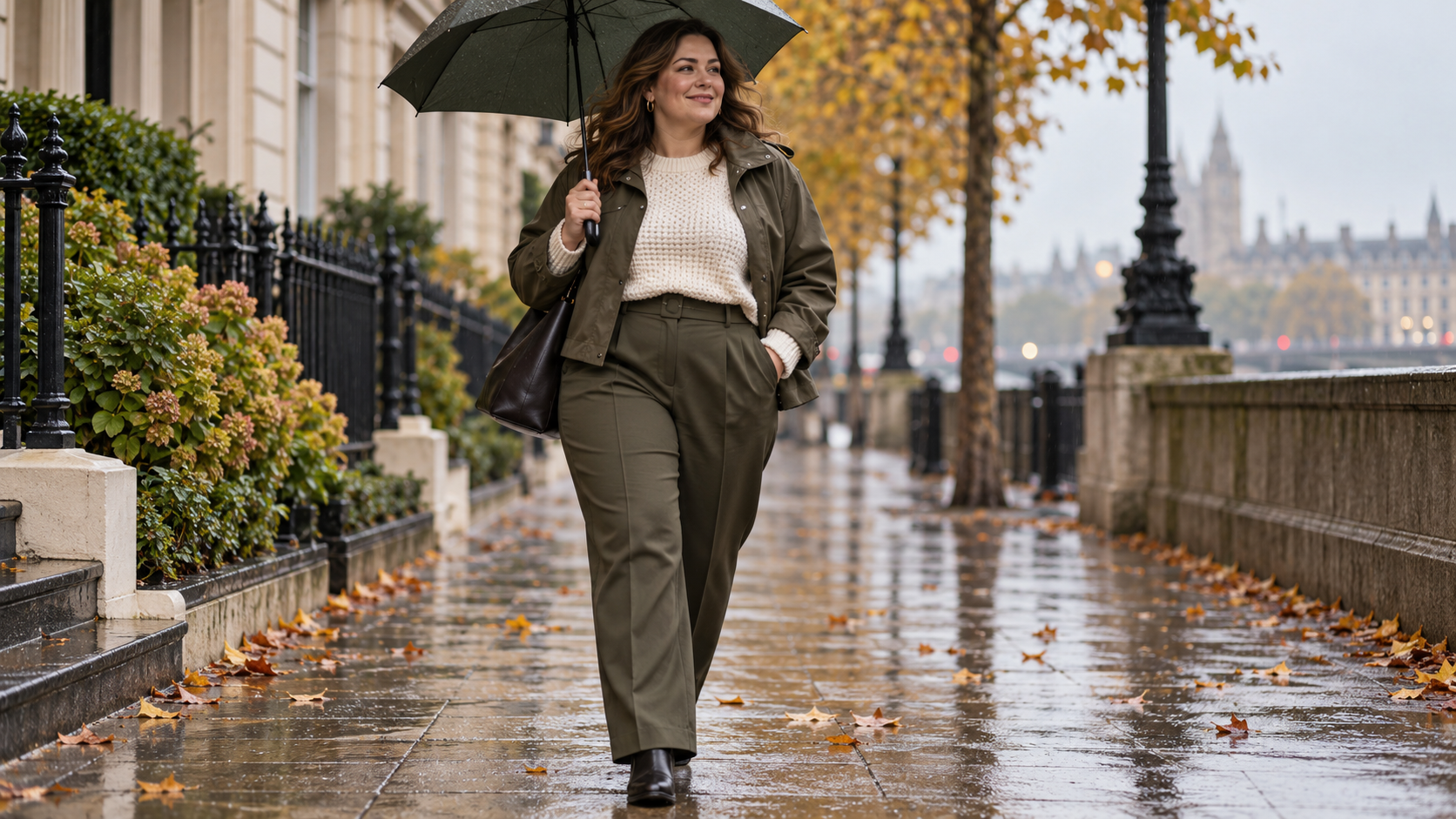
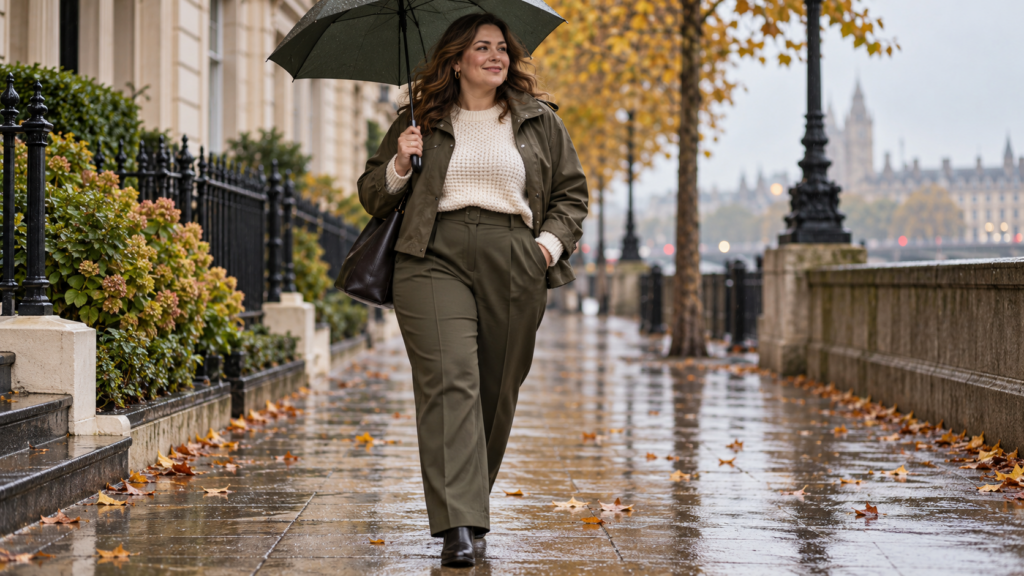
Anyone dressing in the UK knows the feeling: you leave the house to sun, face a breeze by lunch and end the day wondering why you didn’t bring a coat. That’s where transitional dressing earns its keep. For plus size wardrobes, it’s not just about adding layers; it’s about choosing pieces that let you adapt without losing shape, comfort or confidence.
The good news? A few well-chosen staples can take you from cool mornings to warmer afternoons and back again. If you’re shopping sizes 16+, this is the season to think tactically: build outfits that can shift with the weather, the diary and the temperature of any room you enter. You can also browse the current edit to see what’s newly available now.
Start with a base that works on its own
A strong transitional outfit begins with a piece that can stand alone if the weather turns unexpectedly warm. Look for clothing with enough structure to feel polished, but enough ease to stay comfortable when worn for hours. A jersey dress is an especially useful starting point, because it can be styled simply on milder days and layered when conditions change.
For example, a maxi dress in a soft neutral or print can act as the foundation for multiple looks. It gives coverage without feeling heavy, and the longer length helps make bare legs feel less of a gamble in changeable weather. If you prefer separates, a lightweight tee or vest top paired with easy trousers is just as practical.
Balance volume with shape
Transitional dressing often means adding layers, and layers can easily become bulky if you’re not careful. The trick is to balance proportions rather than hide under everything at once. If you’re wearing wide-leg trousers or slouchy denim, keep your top layer a little neater through the shoulders or waist. If you’re choosing a floaty dress, a more defined jacket or shorter layer can stop the look from feeling overwhelmed.
The current edit includes several pieces that lend themselves to this approach. Wide-leg joggers can feel relaxed but still intentional when paired with a more fitted vest or tucked-in top. Straight cargo trousers offer a practical shape that works well with simple knits or short-sleeved layers. The key is to keep one part of the outfit visually anchored, so the eye has somewhere to rest.
Use layering to manage temperature, not just style
In the UK, layering is less of a trend and more of a survival skill. But the most effective layers are the ones you can remove, carry or rework easily. A cardigan, shacket or lightweight jacket is often better than one big coat because it gives you control throughout the day. Think of each extra layer as a tool rather than an obligation.
When planning an outfit, ask yourself three questions: Will this look still work if I take the top layer off? Is the base comfortable enough to wear indoors? Can I fold or stash the extra piece without it becoming a nuisance? If the answer is yes, you’re on to a practical transitional outfit.
Accessories matter here too. A wash bag in a bright colour may not be a styling essential, but it can help keep everyday carry-all items organised when you’re moving between work, errands and evening plans. A small detail like that makes the whole routine feel more considered.
Choose footwear with the forecast in mind
Footwear can make or break a transitional outfit. If you’re wearing cropped hems or flowing trousers, shoes need to look intentional and work with the weather. Trainers, loafers, low boots and closed-toe clogs are all useful options when the temperature is uncertain. They give you more coverage than sandals, but still feel lighter than winter boots.
For the most versatile approach, choose shoes that suit more than one outfit formula. That way, you’re not dressing from the ankles up around a single pair. The goal is not to predict the weather perfectly; it’s to choose shoes that won’t look out of place if the forecast changes by lunchtime.
Think about fabric before colour
It’s tempting to style by colour first, especially when spring and autumn both invite brighter palettes. But in transitional dressing, fabric usually matters more. Look for materials that drape well, hold a little structure and won’t feel too clingy if the temperature rises. Jersey, denim, cargo cotton and plush but breathable textures can all have a place in a practical wardrobe.
Colour still has its role, of course. Dark grey, blue, brown and black are particularly useful because they mix easily and feel seasonless. If you want a lighter touch, a natural-toned dress or a pink occasion piece can lift the mood without making your whole wardrobe feel too delicate for everyday wear.
Make one outfit do more than one job
The most successful transitional looks are the ones that can shift setting as well as temperature. A jersey maxi dress can be styled with trainers and a light layer for daytime, then dressed up with jewellery for dinner. Wide-leg jeans can look relaxed for errands and smarter with a black vest and a neat jacket. Cargo trousers can move from weekend wear to casual office days depending on the rest of the outfit.
If you’re building a plus size wardrobe with longevity, that flexibility is what really stretches your style budget. Instead of buying for a single weather moment, buy for repeated use across different parts of the week.
Keep a few weather-proof habits in mind
Even the best outfit plan benefits from a bit of realism. Check your layers before you leave, carry one easy extra piece if you’ll be out late, and don’t overcomplicate things if the day already includes enough decisions. Transitional style should make life easier, not turn getting dressed into a puzzle.
Ultimately, the smartest seasonal wardrobe is the one that helps you feel prepared without feeling overworked. For plus size women, that often means choosing shapes that skim rather than squeeze, fabrics that can flex with the day and silhouettes that still feel like you when the weather can’t make up its mind.
Editorial note: This article focuses on styling ideas and the current edit available to browse, rather than product performance claims.


